


 |
Precision Low-Resistance Component Shunt Measurement And Range Extension
Product Details:
| Place of Origin: | Dongguan,Guangdong,China |
| Brand Name: | UCHI |
| Model Number: | UL.VDE,SGS,REACH,CQC,CSA.ISO.ROHS,CUL |
Payment & Shipping Terms:
| Minimum Order Quantity: | 5000PCS |
|---|---|
| Price: | Negotiable |
| Packaging Details: | Bulk/Ammo/Reel |
| Delivery Time: | 5-7 days |
| Payment Terms: | T/T,Paypal,Western Union, |
| Supply Ability: | 5000,000,000PCS Per Month |
|
Detail Information |
|||
| Low Voltage: | E10=1.5~60V | Tmax: | 5.7 |
|---|---|---|---|
| Capacitance Range: | 1pF-1000pF | Lenghth: | Ф25mm |
| Impulse Life: | 300 Times | Lead Wire: | Tinning Copper Wire) |
| Packing: | SMD Reel Packaging | External Dimensions: | 5650 [2220],5.6x5.0mm |
| Istorage Temperature: | -55℃ ~ +125℃ | Termination Style: | Screw |
| Weight: | 7.1g | Moisture Barrier: | Epoxy Resin |
| Warranty: | 2year | Surge Energy Rating: | 28J |
| Dissipation Factor: | ≤0.2 | ||
| Highlight: | low-resistance component shunt,precision measurement shunt,metal oxide varistor shunt |
||
Product Description
Shunt
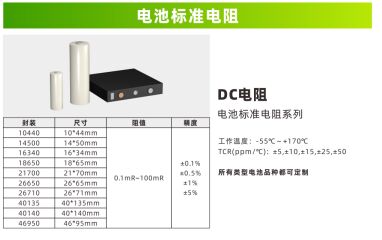
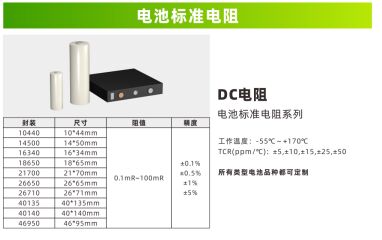
A shunt has different meanings in various fields. The most common is a precision low-resistance component in the electronics and power industry, used for high-current measurement and range extension.
I. Electronics / Power Industry (Most Common)
1. Core Definition and Principle
- Nature: A low-resistance, high-precision power resistor (in milliohm/microohm scale).
- Principle: Connected in series in the measured circuit. A high current produces a millivolt-level voltage drop (U=I×R), and the current is calculated indirectly by measuring the voltage.
- Typical specifications: Rated voltage drop is mostly 75mV/100mV. For example, 100A/75mV corresponds to a resistance of 0.75mΩ.
2. Main Applications
- High-current measurement: Used with millivoltmeters / multimeters to measure high DC current (from dozens to tens of thousands of amperes).
- Range extension: Connected in parallel with a low-range ammeter to shunt most of the current, allowing only a small portion to pass through the meter.
- Current sampling: Used for current monitoring and protection in BMS, motor control, power supplies, charging piles, and energy storage systems.
3. Key Parameters and Selection
- Rated current: Ranges from 5A to 15kA.
- Rated voltage drop: 60mV, 75mV, 100mV, 150mV, etc.
- Accuracy: 0.1%, 0.2%, 0.5%, 1%, etc.
- Material: Usually manganin alloy (low temperature coefficient, good stability).
- Heat dissipation: High-current applications require good heat dissipation to prevent accuracy loss due to temperature rise.
4. Advantages and Disadvantages
- Advantages: Simple structure, low cost, high DC accuracy, suitable for high currents.
- Disadvantages: Voltage drop loss, heat generation, non-isolated, and accuracy affected by reactance at high frequencies.
II. “Shunt” in Other Fields
1. Network Shunt (Traffic Replication / Load Balancing)
Copies / forwards network traffic for monitoring, auditing, intrusion detection, and load balancing.
2. Hydraulic / Pneumatic Shunt
Distributes fluid evenly to multiple outputs, used in hydraulic systems and lubrication systems.
3. Faucet Shunt (Household)
One-inlet, multi-outlet water splitter with independent switches, used for washing machines, showers, etc.
III. Usage Notes
- Must be connected in series in the measured circuit.
- Rated current should be higher than the actual maximum current (20% margin recommended).
- Secure wiring to reduce contact resistance; four-wire connection is recommended for high-precision measurement.
- Pay attention to heat dissipation to avoid overheating.
- Mainly used for DC or low-frequency AC; use with caution in high-frequency applications.

Want to Know more details about this product